The Refined Wardrobe: Ageless Style, British Mood
If you are building a capsule wardrobe for women over 50 in the UK, think less about trends and more about proportion, fabric and a palette that flatters the skin in our particular light.
There is a point in a woman’s life when clothes cease to be a costume and become a conversation: quiet, assured, impeccably edited. If you are building a capsule wardrobe for women over 50 in the UK, think less about trends and more about proportion, fabric and a palette that flatters the skin in our particular light. The aim is ease with intention — pieces that travel through the day without fanfare, yet never feel anonymous.
The Capsule, Reimagined
Begin with eight to ten stalwarts and insist on excellence. A navy blazer with a softly structured shoulder; an ivory silk blouse; a fine-gauge knit in charcoal; perfectly cut trousers in drapey wool; a trench that resists weather and dates; a slip skirt that moves rather than clings; a cashmere cardigan; and the white shirt you will actually wear. Add two pairs of shoes — a low block heel and a sleek trainer — and one bag that takes polish seriously. Jewellery should be the punctuation, not the paragraph.
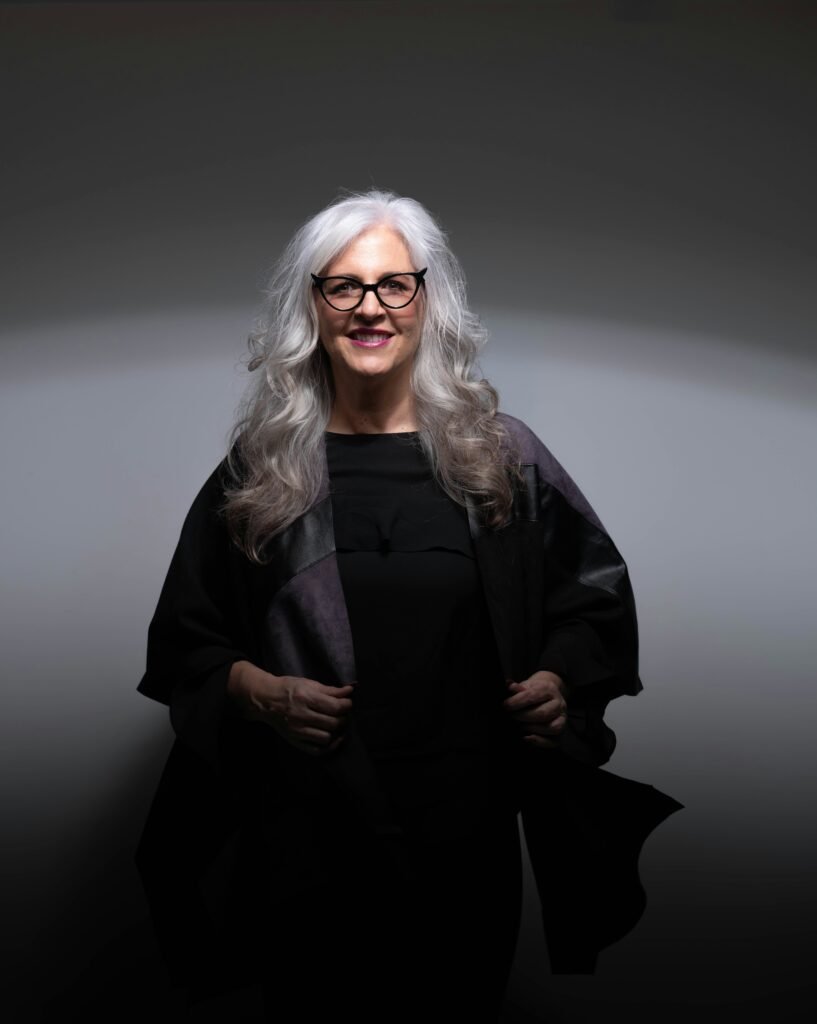
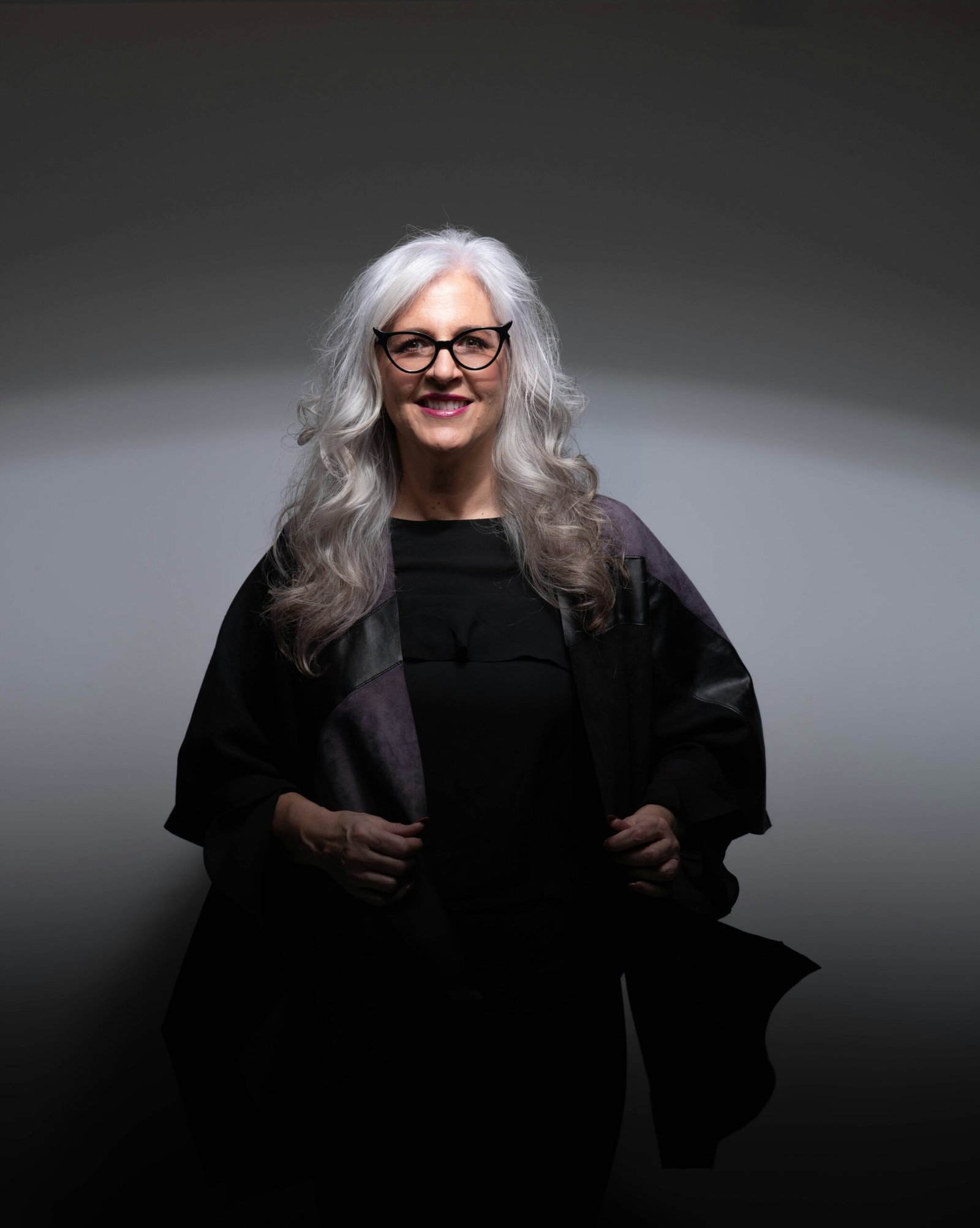
For stylish outfits for women over 60, the rule is simple: elevate the familiar. Swap black for deep ink or bitter chocolate; exchange busy prints for texture — ottoman rib, satin back crepe, brushed wool. A column of colour under a contrasting coat can subtract ten minutes from your morning and several years from your silhouette.
Denim, Decoded
The best jeans for mature figures are not a size; they are an architecture. Look for a mid-to-high rise that holds without pinching, a clean front, and back pockets placed slightly higher to lift the eye. A straight leg reads modern on every body; a gentle bootcut under a tailored coat gives leg for days; a wide leg in a heavier denim drapes beautifully over ankles and shoes. Dark rinses are office-adjacent; ecru is the chic weekend answer. Hem to the shoe you wear most — tailoring is an ally, not an indulgence.
Fabric Matters More Than Fashion
At this stage, cloth does the heavy lifting. Choose compact merino that resists bobbling; silk that feels liquid; cotton poplin with a paper-fresh snap; tweed with a tight weave. Lining should be breathable, seams finished, buttons substantial. When a garment moves well, you do too. Fit is equally non-negotiable: a centimetre off the sleeve or waist can make the difference between ‘fine’ and ‘forever’.
Slow by Design
There is a particular pleasure in buying less and buying better. If you’re exploring slow fashion brands in the UK, prioritise labels that publish their supply chains, offer repairs and produce in considered runs. Seek out British mills, recycled fibres done elegantly, and aftercare that extends the life of your wardrobe. Cost per wear is not an accountant’s trick — it is modern luxury.
Colour, Grown Up
British light is cool; your palette can be warm. Camel against grey London pavements feels opulent. Navy with oxblood is quietly regal. Olive khaki softens denim; winter white brightens the face in January. If black is your habit, soften it with texture — matte and shine, bouclé against silk — or with a lipstick that reads as lived-in rather than lacquered.
The Silhouette Edit
Think in lines, not items. A long coat over a monochrome base lengthens; a cropped jacket defines the waist without the gym. A fluid trouser with a slim knit delivers balance; a pencil-lean skirt with a relaxed shirt is both feminine and brisk. Shoes finish the sentence: a low heel for lift; a refined loafer for authority; a pointed flat for out-all-day pragmatism.
Accessories with Purpose
Choose one signature and be faithful. Perhaps a leather belt that carves shape over knitwear; a silk scarf tied low at the throat; a piece of jewellery with provenance. Spectacles can be a style decision — consider softly upswept frames or a lean rectangular pair in tortoiseshell. A bag should sit close to the body and carry what your life actually demands.
Dressing for Life, Not the Algorithm
Clothes are tools — for work, for dinners, for weekends that turn into something better. A capsule wardrobe for women over 50 in the UK, or stylish outfits for women over 60, is not a list; it is a system. Edit seasonally, repair promptly, donate what you no longer wear. Try everything with the shoes and underpinnings you intend to use. When in doubt, step outside: daylight is the finest mirror.
The reward for this discipline is freedom. You open the wardrobe and find not noise, but clarity — fewer pieces, stronger choices, a sense that your life is moving forwards and your clothes are keeping pace. That is real style: assured, intelligent, unmistakably yours.